Present Simple or Present Continuous
Do you know when to say 'I work' and when to say 'I am working'? This is one of the most common questions for English learners. The choice between these two tenses depends on one simple idea: Is the action permanent or temporary? This guide will help you understand the difference between these two important tenses so you can speak and write more clearly.
How to use
Rule 1: Habits vs actions happening now
Use the Present Simple for habits, routines, and things that are generally true. Think of it as the 'always' tense.
- I drink coffee every morning. (This is a routine.)
- She works in a hospital. (This is her job.)
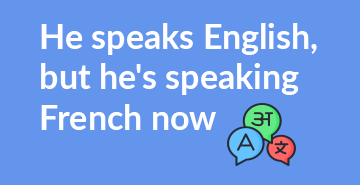
Use the Present Continuous for actions that are happening at the moment of speaking. Think of it as the 'right now' tense.
- I am drinking coffee right now. (This is happening as I speak.)
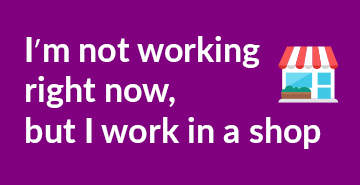
- She is working in the hospital today. (She is there right now, but maybe not every day.)
Rule 2: Permanent vs temporary situations
Use the Present Simple for situations that are permanent or long-term.
- I live in London. (This is my home. It is a permanent fact.)
- He works for a big company. (This is his permanent job.)
Use the Present Continuous for situations that are temporary and might change soon.
- I am living with my parents while I look for an apartment. (This is temporary. I will move out soon.)
- He is working on a special project this month. (The project will finish, so it is temporary.)
Rule 3: Timetables, schedules, and arranged future plans
Use the Present Simple for fixed schedules, especially transport, school, or official events.
- The train leaves at 8:30.
- School starts at 9 AM.
- The meeting begins after lunch.
Use the Present Continuous to talk about plans that have already been arranged.
- I am meeting my friend tomorrow.
- They are flying to Spain next week.
- We are having dinner with our grandparents on Sunday.
Rule 4: Changing or developing situations
We use the Present Continuous to talk about things that are changing, developing, or trending over a period of time.
- The weather is getting warmer.
- More people are learning English online.
- The city is becoming more and more popular with tourists.
Rule 5: Stative vs action verbs
Some verbs describe a state (how you feel, what you think, what you believe), not an action. These are called stative verbs. We do not usually use them in the Present Continuous. Common stative verbs: like, love, hate, want, need, know, understand, believe, prefer.
- I am believing in ghosts. ❌ → I believe in ghosts. ☑️
- This book is belonging to me. ❌ → This book belongs to me. ☑️